
About Pilates
A Brief History of Pilates by Cathy Strack

“Pilates is complete coordination of body, mind and spirit.” - Joseph Pilates
A Brief History of Pilates
By Cathy Strack, written exclusively for Elevation Pilates, Glens Falls, NY.
Life in Germany
Joseph Hubertus Pilates birth on December 9, 1883, in Muchen Gladbach, Germany, was unremarkable. He would later say, “The course of my life was determined as a child and the years have been happy since I have had more to give than get.” He was the second of ten children, born to Anna Hahn and Heinrich Friedrich Pilates, six of whom survived childhood. His mother earned a living as a factory worker and his father was a locksmith and mechanic. While Joseph claimed to be of Greek ancestry the family name has been traced to the year 1564 in Gladbach, Germany.
Joseph’s childhood was chaotic as his family moved frequently from one house to another, never staying more than 2 years in one home. By the time he was 5 years old and ready to attend mandatory schooling, his family had moved four times. By his own account, Joseph often preferred spending time alone, roaming the woods and observing the behavior and movement of cats and other animals. Perhaps because he was different from other children, he was bullied. In one incident, he was pelted with stones by a group of boys, and permanently lost sight in his right eye.
Joseph’s father was a member of the German gymnastics club known as the Turnverein. He encouraged his son to practice some of the exercises taught at the club, which may have included boxing and self-defense techniques. The foundation of the Pilates method began when Joseph, at 9 years of age, took the information he learned and began developing his own exercises. After he completed his formal education at the age of 14, he began working as a brewer’s apprentice. Two years later, he moved away from home to continue this line of work.
Marriage and a Family
When he was 22 years old, Joseph met and married his first wife, Maria Tüttman. She had been working as a maid and was a single parent raising her son, Wilhelm. After the couple married on July 5, 1905, Joseph adopted Wilhelm, who was two years old. Together the couple had one daughter, Luise Helene, born on December 2, 1902. Maria gave birth to a son, Hans Heinrich, who died at the age of 10 months. Joseph continued working as a brewer and he was often away from home for weeks at a time. After 8 years of marriage, tragedy struck when Maria died in 1913 of unknown causes. Wilhelm was sent to live with Maria’s family, and Luise Helene went to live with Joseph’s family. Joseph had no interest in raising children and moved to England to pursue a career in boxing. He found that it was too difficult to be accepted into the British boxing community and instead he joined the circus in Blackpool. It was during this time that he further refined his method of daily exercises and stretching routines to recover from his strenuous performances.
World War I
Joseph was a German citizen living in England when World War I began in 1914. Because Germany and Britain were at war, he was classified as an enemy alien and arrested along with thousands of other Germans. After being held in several camps, he was transferred to the Knockaloe Internment Camp on the Isle of Man. He spent more than four years there under harsh conditions, including food rationing, loss of freedom, and separation from family and friends. Seeing an opportunity to work with the other detainees, he began teaching them his daily exercise routines. He also took part in the camp’s boxing program, one of many activities offered to pass the time. His skill and fairness led him to referee some of the matches.
After the war ended, Joseph returned to Germany by March 1919. Rather than reuniting with his children, he married Elfriede Samm, who had a daughter that he also adopted. No longer interested in brewing, Joseph focused on his work as a fitness trainer and boxer. With his father and brother Fred, he opened a gym in Gelsenkirchen, where they trained and managed boxers. He became well known locally for his abilities as a trainer and manager. He is also credited with bringing the young boxer Max Schmeling to the attention of American promoters. Schmeling went on to become world heavyweight champion in 1930.
Joseph used what he had learned in camp and began competing in boxing matches both professionally and as an amateur. This was a conflict of interest and led to his disqualification from participating in further matches. He became disillusioned with the boxing community and closed the gym. In 1923 he moved to Hamburg, leaving Elfriede and her daughter. She would later divorce him.
Life in America
After the war, conditions in Germany were bleak, and many Germans citizens moved to the United States in search of better opportunities to make a living. Joseph’s uncle, a brother, and one of his sisters had immigrated to the United States and this made a positive impression on him. He also used his connections with the boxing community to gather information. He saved his money and made plans. In November 1925 he made his first trip to New York City, where he arranged to rent studio and living space, filed patents for some of his equipment, and made business connections. In April 1926 Joseph, now 42 years old, took his second and final trip to settle permanently in the United States. On the ship he met Clara Zeuner, who was moving to the United States to work as a maid. She was 43 years old and suffered from arthritis. Joseph and Clara made such a strong personal connection that she decided instead to work with him running his gym. Joseph set up his Pilates Universal Gymnasium at 939 Eighth Avenue in New York City and soon began training clients on equipment he had designed and built.
The Pilates studio was located on the second floor of the building, with large picture windows decorated with lace curtains and adorned with plants and flowers. The arrangement of equipment changed from time to time, as Joseph and Clara fully utilized the space available to teach several students at one time. A partition was built for a small dressing room next to the main room, complete with mirrors and lockers for clients to store their belongings. The studio walls held paintings, anatomy charts, before and after photographs of clients, exercise charts, letters of endorsement, and large mirrors. The linoleum tile floor was covered with large oriental rugs. Joseph and Clara remained in the apartment across the hall and rented extra storage space as needed.
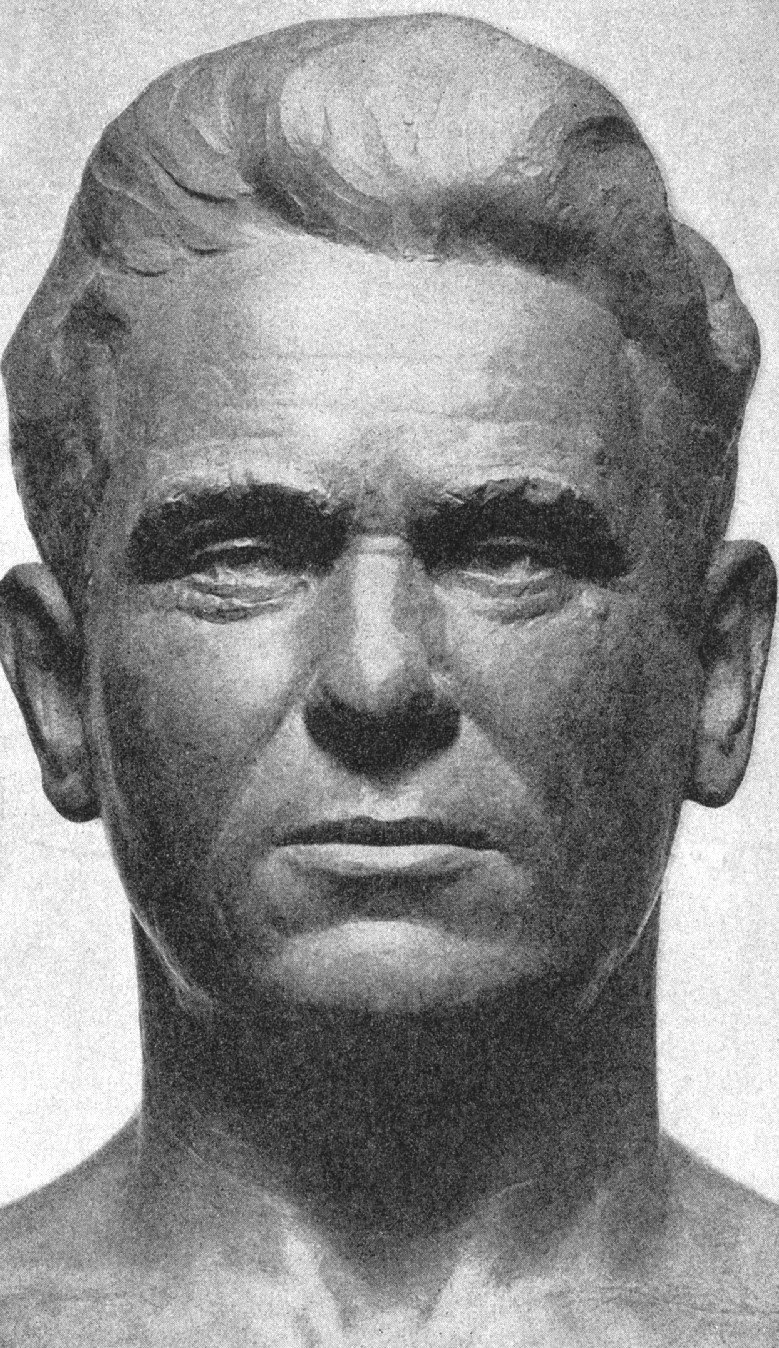
A bronze bust of Joseph was placed in one corner of the studio, sculpted by artist John Terken, a grateful client. Terken had injured his spine in a mountain climbing accident when he was a teenager. He was told he would be crippled for life. He became an artist and his studio was in the same building as the Pilates studio at 939 Eighth Avenue. Terken worked with Joseph to recover from his injuries and was so successful that he served in the United States Air Force.
While it is true that Joseph and Clara trained many famous people, including actors and dancers, most of their clients were average people simply seeking relief from the wear and tear of daily life. Nina Conrad, a secretary (administrative assistant), wrote, “…suffered many years from poor circulation, severe fatigue, scoliosis, sway-back, one hip higher, off balance…many months in plaster casts…the day I learned about Joseph Pilates…was one of the most important in my life….” James Trosch, a university administrator, noted “…without hesitation you and Clara undertook to make changes in me when I was 45 that physical therapists had told me flatly were impossible after the age of 20…after 2 years of Contrology I am amazed….” (Pilates Pamphlet, www.cathystrack.com)
Joseph wanted his method to be widely practiced, and to that end, he wrote two books that helped communicate the benefits of his method. In 1934 he published Your Health: A Corrective System of Exercising that Revolutionizes the Entire Field of Physical Education. In this book he outlined what he felt was wrong with society and how his method would help anyone that practiced his daily exercises. In 1945 he wrote Return to Life Through Contrology in which he illustrated his mat exercises. He stated:
Our interpretation of physical fitness is the attainment and maintenance of a uniformly developed body with a sound mind fully capable of naturally, easily, and satisfactorily performing our many and varied daily tasks with spontaneous zest and pleasure.
In 1957 Joseph and a friend self-published a brochure under the organization The American Foundation for Physical Fitness. This brochure, now named the Pilates Pamphlet, was another attempt to communicate to the public the importance of practicing his method. They describe Contrology as “the science and art of coordinated body-mind-spirit development through natural movements under strict control of the will.” Contrology does not involve the use of medicine balls, quick movements, loud music, high repetitions, or heavy weights. There are numerous endorsements from his clients about the benefits of Contrology and a photograph of the bronze bust of Joseph Pilates is featured on the back cover of the pamphlet. Each copy was numbered and personalized with the clients’ name.
Joseph continued to invent equipment and exercises designed to accompany the mat work routine. He invented and patented the Foot Corrector and Pilates Reformer while living in Germany and over the years, added the Cadillac, Ped-O-Pul, Ladder Barrel, Guillotine, and Spine Corrector. He also invented smaller pieces known as the Magic Circle and Half Barrel. By way of self-promotion, he published flyers that featured some of his exercises in order to entice future clients.
Summer Training Camp
Joseph envisioned the development of a training camp where he could train instructors to teach his method. To that end, in 1947 he purchased land near the Jacob’s Pillow Dance Festival, in Becket, Massachusetts. His dream was never fully realized, but he did teach the dancers and staff at Jacob’s Pillow for several years, before building his own gym on his property.
Each morning during the summer sessions at Jacob’s Pillow, dance students arrived with towels in hand, ready for Joseph’s mat classes. The classes started promptly at 8 a.m. when the students were put through a vigorous and energetic hour-long class. There was no music or equipment, only Joseph’s commanding voice to move the students’ bodies. Class often began with standing exercises and running in place to wake up and warm up the students. Once they were on the mat, students began the routine with The Hundred, a breathing exercise. They were then commanded to roll up and back down their spine by moving one vertebra at a time. Other exercises were called out by name, such as, Corkscrew, Scissor, Boomerang, Teaser, and Jackknife. These classes were compulsory for every student, but they came willingly as they understood the benefits of his method.
Media Coverage
Joseph advertised and promoted his method of exercise in numerous newspaper and magazine articles. His first known interview in the United States was published in 1934 for an article in Collier’s magazine. Later he was featured in Life magazine and Sports Illustrated. A lesser-known article in Pageant Magazine in November 1963 noted that the Pilates studio was open daily from 9 a.m. until 6 p.m. and lessons cost $5.00 a person. As he demonstrated the use of the Wunda Chair, a piece of Pilates equipment, Joseph stated, “On this machine you can climb mountains, swim seas, and walk the earth—all while lying down.” Then he asked the reporter:
Do you know how to breathe? Not only your lungs…Your whole body’s got to have air…Breathing is the first act of life—and the last. Our lives depend on it. But do we breathe correctly? No. Man’s upright position bows the back, compressed the heart and lungs, relaxes the diaphragm and billows the belly. That is why proper breathing is so important…So learn to breathe correctly—deeply, rhythmically.
The Final Years
Joseph and Clara Pilates ran the small studio in New York City together until his death in 1967 at the age of 83. It has yet to be determined if or when Clara became the third wife of Joseph. However, with his death she became the sole owner of the Pilates studio and the property near Jacob’s Pillow. Clara sold the property in the country but felt it was important to continue Joseph’s work at the studio in the city. She had the help of Bruce King and Romana Kryzanowska, two teachers trained to work in the studio. Clara died in 1977 after several years of declining health. The Pilates Studio, equipment, records, and archives have changed location and ownership a few times since Clara’s death. Romana was entrusted to carry on the work of Pilates and she sought much needed help to maintain Joseph’s original vision for his method. The current owner of the Pilates archives, Sean P. Gallagher, remains committed to preserving the original work of Joseph Pilates.
©2026 by Pilates Projects, LLC.
author's biographyAbout Cathy Strack
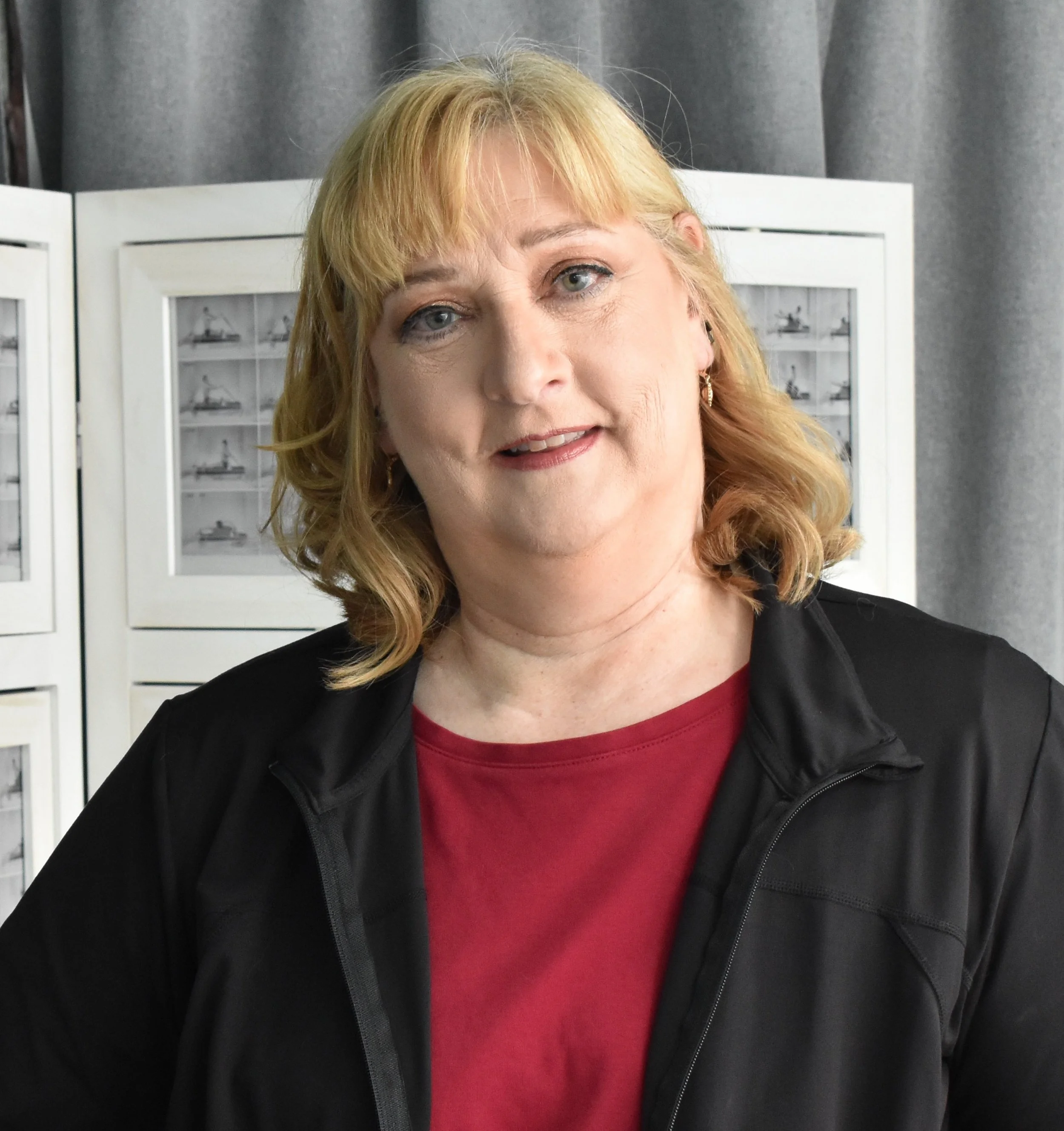
Cathy Strack is a naturally curious person who enjoys learning about how people live, work, and what motivates them. Cathy began practicing Pilates in 2001 and completed her first certification in 2003 at White Cloud Studio in Cleveland, Ohio. She completed the Power Pilates Bridge program and is currently enrolled in The New York Pilates Studio Teacher Training Program at Rhinebeck Pilates. Over the course of her training, she wanted to learn more about Joseph Pilates and those entrusted to carry on his work. This led her to research and write Love All Around the Romana Kryzanowska Biography and Get To Know Joe Pilates. A third book is being planned in which Cathy will cover the lives of other first-generation Pilates teachers. The working title is They All Go To Joe.
Cathy lives in Wyandotte, Michigan, where she spends her time writing and training clients in her fully equipped Pilates studio, Sonny Days Pilates. She enjoys renovating her home and is learning how to play the drums.
Cathy is happy to share what she has learned about Pilates history. She is available for public speaking engagements and workshop presentations. You can find her on Facebook as Cathy Barker Strack or Instagram @cathycincinnati. Her books, photos, and the third edition of the Pilates Pamphlet are all available for purchase on her website at www.cathystrack.com.